
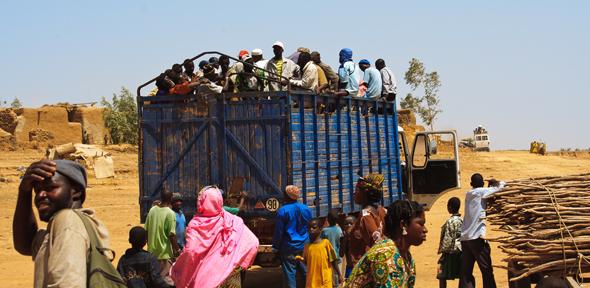
What is Social Anthropology?
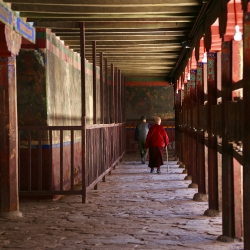
Social Anthropology is the study of all peoples everywhere – what they make, what they do, what they think and how they organise their social relationships and societies.
Why study here?
Anthropology is one of the most exciting subjects to study at university today, and Cambridge is unmatched as a place to study, as a place to undertake research, and just as somewhere to be.
We are consistently recognised as one of the top departments in the world for the study of anthropology. We are a vibrant and friendly department, innovative and intellectually inspiring.
Our graduates build successful and rewarding careers across wide-ranging sectors. Explore careers after Social Anthropology as told by a broad range of graduates from our department.
What do we offer?

We offer a range of postgraduate qualifications: the Master of Philosophy (MPhil) and the Doctor of Philosophy (PhD).
Read an overview of our postgraduate courses >
Explore the courses
| MPhil |
MPhil in Social Anthropological Research MPhil in Health, Medicine and Society
|
|
| PhD |

Getting involved
The Cambridge University Social Anthropology Society (CUSAS) is run by students in the Department.
A wide range of events are organised and you are encouraged to get involved. Online Coffee Mornings and Brown Bag Lunches are an excellent opportunity to engage with Cambridge social anthropologists in an informal setting, as well as film screenings and talks.
Keep an eye out for our term cards and event announcements on Facebook.
What student support is offered?
The Colleges offer first-rate student support to undergraduates and postgraduates and the University has some of the best intellectual resources in the world, from people to libraries.
Everyone is part of a community that extends well beyond the Department.
Careers after Anthropology
We organise regular events for our alumni to speak to students and staff about how their studies have influenced their careers.
Explore a broad range of graduates from our department and find out how social anthropology continues to inform their work.