
MPhil in Social Anthropology
Watching Jin Opera in Miaohui by Manchun Du
A rigorous introduction to anthropology
The MPhil in Social Anthropology (MPhil SA) by advanced study is one of the world’s best-established and most-respected conversion courses in social anthropology.
For decades, this intensive taught programme has served as a major entry point into anthropology for students from around the world. The course offers an academically challenging but supported pathway for students with little or no previous anthropological training.
While the MPhil SA can be taken as a standalone degree, many graduates progress to PhD study and academic careers. Others apply anthropological training to a wide range of fields including policy, development, journalism, education, museums and public service.
Students join a vibrant international research community within one of the world’s leading institutions for the study of anthropology. The Department has a longstanding record of teaching and research excellence and consistently ranks among the top anthropology departments globally. It has retained a top-three position over the past decade in the QS World University Rankings by Quacquarelli Symonds – the world’s most widely read league table.
| Study mode: | Taught |
|---|---|
| Length: | 11 months, full-time |
| Duration: | Early October – end August |
| Applications: | Open early September, close February |
| Funding deadline: | Early December (October for Gates Cambridge US round) |
| Requirements: | A high II.i honours degree or equivalent qualification |
| Requirements: | English language requirements apply |
Designed for students new to anthropology
Our programme provides a wide yet thorough grounding in the theoretical and ethnographic dimensions of the field. The course is particularly suited to:
- students new to anthropology;
- graduates from adjacent disciplines, such as history, politics, sociology, archaeology, literature, philosophy and more;
- those seeking a strong intellectual foundation in the tradition of British social anthropology;
- intellectually curious and highly motivated applicants from a wide range of academic and national backgrounds.
Applicants with a prior anthropological degree should consider our MPhil in Social Anthropological Research – an intensive 9-month postgraduate degree for students who want to deepen their engagement with contemporary anthropological debates, research methods and ethnographic inquiry.
An intensive and transformative year of study
Over 11 months, students are immersed in anthropological theory, interpretation, comparison and analysis. They build on in-depth engagement with a wide range of recent and past ethnographies to explore major debates in the field's current concerns. The intensive pace and structure enable students to reach a high level of specialist knowledge within a short period of time.
The programme has a strong record of application and progression to PhD study, with many graduates continuing into doctoral research at Cambridge and other leading universities. Those intending to continue to a PhD will receive support in developing focused and feasible research proposals to assist their application.
Over many decades, the course has provided first anthropological training for leading scholars within the discipline.
Students benefit from:
- individual supervision with an expert in their field;
- tailored teaching to fit individual needs;
- small-group supervisions and peer discussion;
- regular essay writing and personalised feedback;
- seminar and lecture teaching;
- independent research towards a dissertation, with fieldwork opportunities;
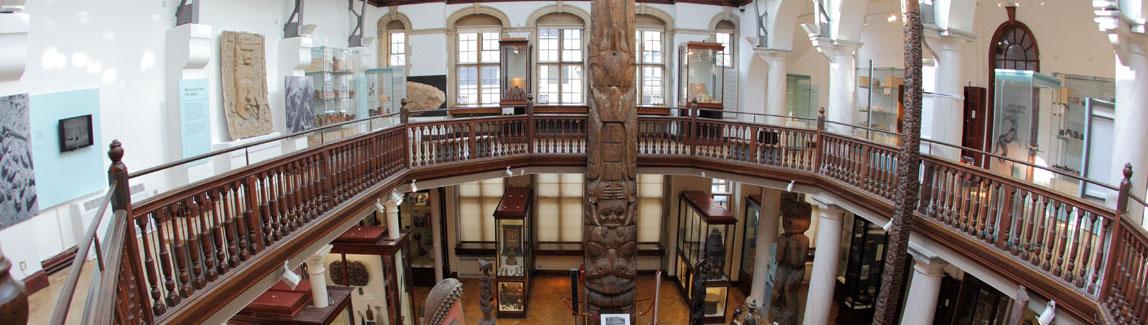
- world-class libraries, museum collections, and specialist research resources;
- access to Cambridge’s wider intellectual communities of academics and postgraduate students;
- a wide range of funding, training and professional development opportunities.
What you will study
The course explores major questions in anthropological theory, interpretation, and comparative analysis through close engagement with ethnographic case studies and key debates in the discipline.
By critically examining a range of theoretical approaches and applying them to ethnographic material, students develop a rigorous grounding in the central methods and analytical traditions of social anthropology.
Core areas of study:
- the anthropology of kinship and economic anthropology;
- political anthropology;
- the anthropology of religion.
Specialist options may include:
- ethnographic methods and writing; gender, kinship and care;
- engaged anthropology;
- modules in Social Anthropology and Museums or Medical Anthropology. Applicants wishing to follow these options would benefit from previous experience in these areas.
Application summary
- Explore full course details, entry requirements, fees, funding, and application guidance through the University’s MPhil in Social Anthropology postgraduate admissions page.
- As part of the application process, applicants are asked to submit a statement of interest in studying social anthropology, outlining relevant experience, possible dissertation topics and preliminary ideas about how they might be pursued, together with a sample of written work.
- There is no requirement to contact a potential supervisor before applying. All students admitted to the programme are allocated a supervisor during induction once they arrive in Cambridge.
- Candidates are strongly encouraged to research and apply to colleges that suits their extra-curricular interests and pastoral needs.
- Candidates who submit applications for the funding round (from September to December) can apply for a number of competitive scholarships that are usually available via the University and Colleges each year. Read more about funding opportunities.
- Visit the University’s Postgraduate Study website for more general information on applying for postgraduate courses at Cambridge.




